
13 Sep Silver Earring Hooks 7 Reasons to Try 925 Silver Wires
If your earlobes itch, turn red, or crust over after a few hours in earrings, the metal touching your skin is usually the culprit — not your ears. Switching to 925 sterling silver ear wires solves that problem for most people, and it also fixes bent hooks, green earlobes, and earrings that keep slipping out. This article explains seven practical reasons to make the switch, plus the limitations of sterling silver you should know before buying.
Key Takeaways
- 925 sterling silver is 92.5% pure silver, and its nickel-free composition makes it a safer choice for most sensitive ears than costume jewelry.
- Sterling silver ear wires are softer than steel or titanium, so they suit pierced ears better but bend more easily under pressure.
- Silver tarnishes over time, but the tarnish is removable with a polishing cloth and does not indicate a defect in the metal.
- For severe metal allergies or very high activity levels, surgical steel, titanium, or niobium may still be the better option.
What “925 Sterling Silver” Actually Means
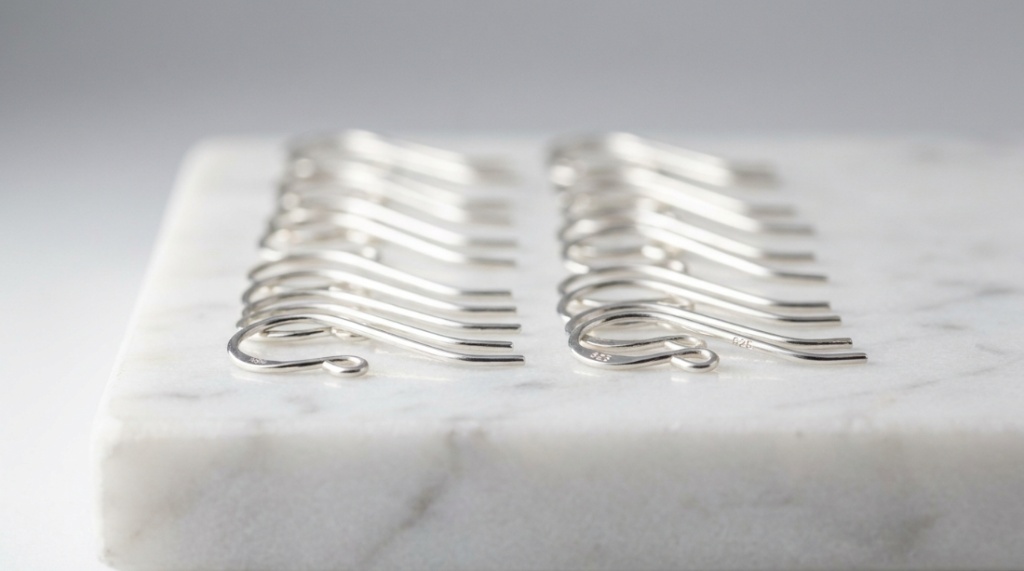
925 sterling silver is an alloy containing 92.5% silver and 7.5% of another metal, usually copper. The copper adds hardness and durability, since pure silver is too soft to hold an earring shape. This is a widely used international standard, and genuine pieces are usually stamped “925,” “Sterling,” or “Sterl.”
That 7.5% matters when it comes to skin reactions. Copper is generally well tolerated, while nickel — the metal most often responsible for contact dermatitis in jewelry — is not part of the standard sterling silver formula. This is the main reason sterling silver has a long history as a go-to metal for sensitive ears.
Reason 1: Fewer Allergic Reactions Than Costume Jewelry
Nickel allergy is one of the most common contact allergies worldwide, and it is frequently triggered by cheap earring posts and hooks made from nickel-plated brass or mystery alloys. Symptoms typically include itching, redness, swelling, and sometimes a weeping rash on the earlobe or behind the ear.
Because true 925 sterling silver does not rely on nickel plating, it sidesteps the most common trigger. That said, “sterling silver” claims vary in accuracy across the market, and a low-cost piece labeled silver may be plated brass underneath. If sensitivity is your main concern, look for a visible 925 stamp and buy from a seller who states the metal composition clearly. You can browse examples of 925 sterling silver ear wires to see how reputable sellers typically label and describe the metal.
Reason 2: Sterling Silver Is Softer and Gentler on Pierced Ears
Softer metal matters more than most shoppers realize. Sterling silver ear wires flex slightly when you insert them, which makes them easier to guide through a piercing than stiff, thick-gauge steel posts. For people with small or angled piercings, that flexibility can mean the difference between a smooth insert and a frustrating five-minute struggle.
The trade-off is real, though. Sterling silver bends out of shape more easily under pressure — sitting on an earring, sleeping in it, or catching it on a scarf can distort the hook. If you routinely sleep in your earrings or wear them during sports, expect to reshape the wires occasionally or choose a harder metal for those situations.
Reason 3: Comfort for All-Day and Overnight Wear
Thin sterling silver wires weigh very little, so they do not pull on the earlobe the way chunky statement earrings can. Lighter hooks also reduce the chance of the earring rotating forward and digging into the back of your ear.
For all-day wear, this comfort adds up. If you plan to wear earrings through a workday, a long flight, or overnight, a lightweight silver hook is usually more forgiving than a heavier plated option. Just remember that sleeping in any earring increases the risk of bending the hook and irritating the piercing, regardless of metal.
Reason 4: Easy to Clean and Maintain
Sterling silver responds well to simple cleaning, which helps if you are prone to buildup or minor irritation. A few drops of mild soap in warm water, a soft brush, and a thorough dry usually restore the shine.
A few practical habits keep silver ear wires in good shape:
- Wipe them with a soft cloth after wearing to remove skin oils and residue.
- Store them in a dry, airtight container or a tarnish-resistant pouch.
- Keep them away from perfume, hairspray, chlorine, and household cleaners, which speed up tarnishing.
- Avoid abrasive polishes on delicate or antiqued finishes, which can strip intentional oxidation.
Reason 5: They Pair With Almost Any Style
Silver has a neutral, cool tone that works with both casual and formal outfits. This is a practical advantage if you would rather own two or three versatile pairs than a drawer full of earrings that only match one look. Silver also layers well with white gold and platinum tones, so mixing metals is less jarring than combining silver with yellow gold in the same stack.
Reason 6: A Sensible Price-to-Quality Balance
Sterling silver sits in a middle ground: noticeably better quality and skin-friendliness than costume jewelry, but considerably more affordable than solid gold, platinum, or many designer alternatives. For everyday earrings that take abuse, that balance makes sense — you get a genuine precious-metal alloy without paying for a metal you might not need.
Prices vary widely depending on design, weight, and craftsmanship, so it is worth comparing a few sellers rather than assuming the cheapest option is the same quality. A suspiciously low price on something advertised as 925 silver is a reasonable prompt to check the stamp and the seller’s details, if you are looking for local tailoring services while updating your accessories, check out our guide on how to fix dress fit issues in miami, fl.
Reason 7: Widely Available in Many Styles
Because sterling silver is such a common jewelry material, it is available in an enormous range of hook shapes — french hooks, lever-backs, kidney wires, ball-end hooks, and more. That variety lets you choose based on security and comfort rather than settling for whatever shape the retailer happens to stock.
Which Hook Style Should You Choose?
| Hook Style | Best For | Main Trade-off |
|---|---|---|
| French hook | Quick on/off, lightweight earrings | Easiest to lose; least secure |
| Lever-back | Active wear, people who lose earrings | Slightly heavier and more fiddly to put on |
| Kidney wire | Heavier dangles, extra security | More noticeable behind the ear |
| Ball-end hook | Minimalist look, prevents sliding | Ball can catch on hair |
Important Limitations of Sterling Silver
Sterling silver is a strong choice for many people, but it is not the right answer for everyone. Understanding the drawbacks prevents disappointment.
- Tarnishing is normal. Silver reacts with sulfur compounds in air and on skin. It darkens over time, especially in humid climates. This is a cosmetic issue, not a safety one, and it is reversible.
- Softer than alternatives. The wires bend and scratch more easily than steel or titanium. Delicate designs may distort with rough handling.
- Not ideal for severe allergies. A small number of people react to the copper in sterling silver, and some “silver” jewelry may have trace nickel contamination depending on manufacture. If you have a confirmed nickel allergy and react even to sterling silver, titanium, niobium, or surgical steel are safer bets.
- Not for extended swimming or showers. Chlorine and constant moisture accelerate tarnish and wear.
- Not a hypoallergenic guarantee. “Hypoallergenic” is a marketing term, not a regulated standard. Sterling silver is generally well tolerated, but no metal is guaranteed reaction-free for every person.
How to Tell Real 925 Silver From a Fake
The most reliable quick check is the hallmark. Genuine sterling silver ear wires usually carry a “925” or “Sterling” stamp on the hook or a small tag near it. A few other signals help:
- Look for the stamp in a consistent location — genuine pieces are usually marked clearly, not etched unevenly.
- Check the price against the weight. Solid sterling silver has a material cost that extremely cheap listings often ignore.
- Ask the seller about the base metal. A legitimate seller can tell you whether the ear wire is solid 925 silver or silver-plated over brass or copper.
- Watch for rapid discoloration within days. Fast, heavy tarnish or green skin can indicate plating over a reactive base metal.
Frequently Asked Questions
Are 925 sterling silver ear wires good for sensitive ears?
For most people, yes. Sterling silver does not contain nickel as part of its standard formula, which is the most common allergen in jewelry. However, a small number of people react to the copper content or to trace metals, so if you have a severe allergy, titanium or niobium may be a safer choice.
Will sterling silver earrings turn my ears green?
Sterling silver itself does not typically turn skin green. Green discoloration is more common with copper or brass-based costume jewelry. If your sterling silver earrings leave a dark mark, it is usually tarnish transferring to the skin, which wipes off and can be prevented by cleaning the jewelry regularly.
How do I stop sterling silver ear wires from tarnishing?
Store them in an airtight container away from humidity, wipe them after wear, and keep them away from perfume, chlorine, and household cleaners. Anti-tarnish strips or pouches help. Tarnish that does appear can be removed with a silver polishing cloth or a gentle silver cleaner.
Can I wear sterling silver earrings in the shower or pool?
It is better not to, especially in chlorinated pools or hot tubs. Chlorine and constant moisture speed up tarnishing and can dull the finish over time. Remove them before swimming and pat them dry if they get wet.
Are sterling silver ear wires strong enough for heavy earrings?
For light and medium-weight earrings, yes. For heavy dangles, sterling silver wires can bend under the load. In that case, look for thicker gauge wires, a lever-back or kidney-wire style, or a harder metal for the hook.
Is sterling silver the same as pure silver?
No. Pure silver is 99.9% silver and is too soft for most earring wires. Sterling silver is 92.5% silver mixed with another metal, usually copper, which makes it durable enough to hold its shape while still offering the look and skin-friendliness people want.
Conclusion
Sterling silver ear wires solve the most common earring complaints — irritation, discomfort, and poor value — for most wearers. They are softer and more skin-friendly than costume jewelry, affordable compared to gold, and available in enough hook styles to match how you actually wear earrings. The main things to accept are tarnishing and a tendency to bend. If you have a severe metal allergy or wear heavy earrings daily, consider titanium or surgical steel instead. Otherwise, check the 925 stamp, buy from a transparent seller, and store them dry.
No Comments