
18 Dec Mexican Artisan Fabrics for Luxury Fashion
The luxury fashion industry is experiencing a remarkable shift. Designers worldwide are embracing traditional craftsmanship and cultural heritage in their collections. Mexican artisan fabrics have emerged as a powerful force in this movement. These textiles bring centuries of tradition, vibrant colors, and exceptional quality to high-end fashion.
The Rich Heritage Behind Mexican Textiles
Mexican textile traditions date back thousands of years. Indigenous communities across Mexico have preserved weaving techniques through generations. Each region has developed its own distinctive style and methods. The Zapotec people of Oaxaca, for instance, have been creating intricate rugs and fabrics for over 2,500 years.
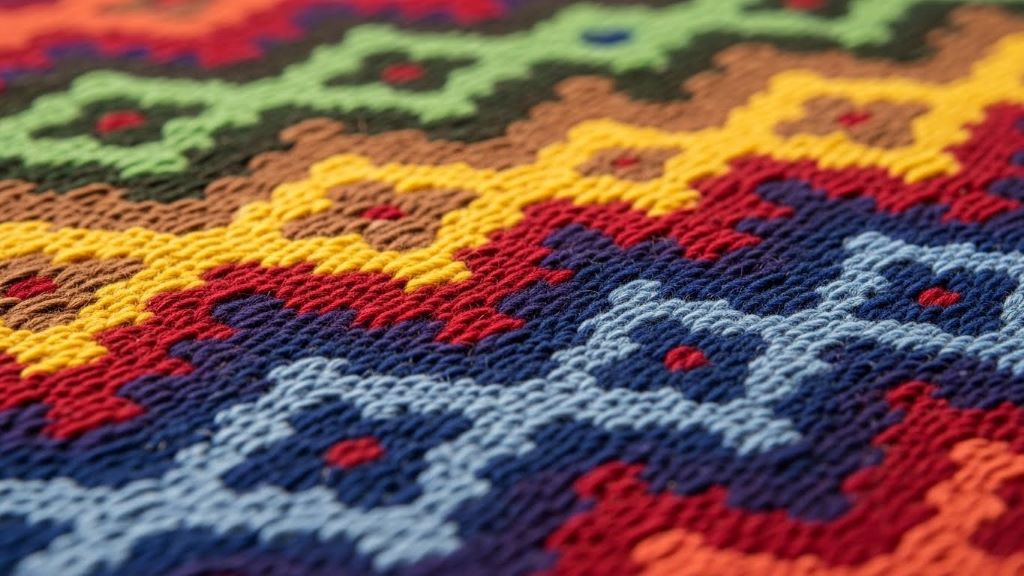
These artisans use natural dyes extracted from plants, insects, and minerals. The cochineal insect produces stunning shades of red and pink. Indigo plants create deep blues. Additionally, marigold flowers yield warm yellows and oranges. This natural approach results in colors that are both environmentally sustainable and visually stunning.
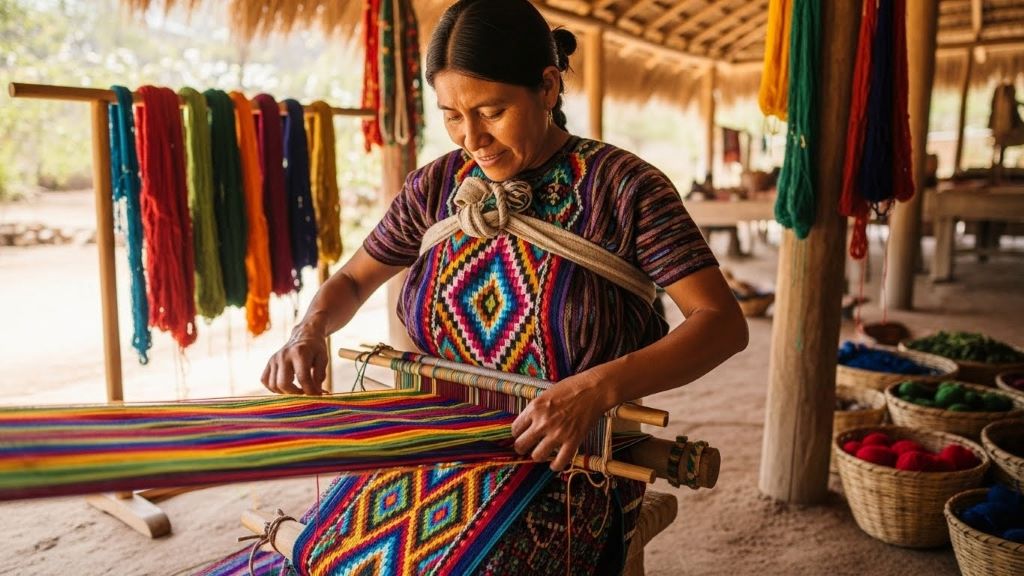
Traditional backstrap looms remain the primary tool for many weavers. This ancient technique requires skill, patience, and physical endurance. A single textile can take weeks or even months to complete. Therefore, each piece represents not just fabric but a significant investment of time and expertise.
Why Luxury Brands Choose Mexican Artisan Fabrics
Luxury fashion houses seek authenticity and uniqueness in their materials. Mexican artisan fabrics deliver both qualities in abundance. These textiles cannot be mass-produced or replicated by machines. Each piece carries subtle variations that make it genuinely one-of-a-kind.
The quality of Mexican artisan fabrics rivals any luxury textile in the world. Hand-spun cotton and wool fibers create exceptional durability. Natural dyes produce colorfast fabrics that maintain their vibrancy for decades. Moreover, the tight weaving techniques result in textiles that drape beautifully and feel luxurious against the skin.
Sustainability has become a crucial concern for luxury consumers. Mexican artisan fabrics align perfectly with this value. The production process uses minimal water and energy. Natural dyes eliminate toxic chemicals from the manufacturing cycle. Furthermore, purchasing these textiles supports small-scale artisans and preserves endangered cultural traditions.
Key Types of Mexican Artisan Fabrics in Luxury Fashion
Oaxacan Wool Textiles
Oaxaca produces some of Mexico’s most sought-after wool fabrics. Zapotec weavers create complex geometric patterns using pedal looms. These textiles feature bold colors and intricate designs. Luxury brands incorporate them into coats, jackets, and statement accessories.
Chiapas Brocade Fabrics
The highlands of Chiapas are renowned for brocade textiles. Artisans weave supplementary threads to create raised, three-dimensional patterns. These fabrics often feature floral and animal motifs. Consequently, they add texture and visual interest to luxury garments.
Yucatecan Cotton Textiles
The Yucatan Peninsula produces lightweight cotton fabrics perfect for warm-weather fashion. These textiles often incorporate traditional Mayan patterns. Their breathability and comfort make them ideal for resort wear and summer collections.
Puebla Embroidered Fabrics
Puebla is famous for its elaborate embroidery work. Artisans create stunning floral designs using silk and cotton threads. These embellished fabrics transform simple garments into wearable art. Therefore, luxury designers frequently feature them in special occasion wear.
How Luxury Designers Incorporate Mexican Artisan Fabrics
Contemporary designers approach Mexican textiles with respect and creativity. They recognize the cultural significance of these materials. Many establish direct relationships with artisan communities. This collaboration ensures fair compensation and authentic representation.
High-end fashion houses use Mexican fabrics in various applications. Jackets and coats showcase bold geometric patterns. Evening gowns feature delicate embroidery and intricate weaving. Accessories like handbags and shoes incorporate smaller textile panels. Additionally, home decor items allow luxury brands to expand their use of these materials.
According to Vogue Business, collaboration between luxury brands and traditional artisans has increased significantly in recent years. This partnership benefits both parties while preserving cultural heritage.
The key to successful integration lies in balance. Designers must honor traditional techniques while creating modern, wearable pieces. They avoid cultural appropriation by crediting artisan communities and ensuring fair payment. Moreover, many brands share the stories behind their textiles, educating consumers about Mexican heritage.
The Economic Impact on Artisan Communities
The luxury fashion industry’s interest in Mexican textiles has transformed artisan communities. Previously, many weavers struggled to earn a living wage. Young people often left their villages seeking better opportunities. However, partnerships with luxury brands have changed this trajectory.
Fair trade practices ensure artisans receive appropriate compensation for their work. Many earn several times what they would through traditional local sales. This economic stability allows families to stay in their communities. Furthermore, it incentivizes younger generations to learn traditional techniques.
Some artisan cooperatives have grown significantly through luxury fashion partnerships. They can now invest in better materials and equipment. Training programs help maintain high quality standards. Additionally, these cooperatives often fund community projects like schools and healthcare facilities.
Challenges in the Mexican Artisan Fabric Industry
Despite growing demand, Mexican artisan weavers face several challenges. The production process is extremely time-intensive. This limitation means supply cannot always meet luxury market demand. Therefore, some brands must plan collections years in advance.
Maintaining authenticity while scaling production presents another challenge. Mass production contradicts the handmade nature of these textiles. Brands must resist the temptation to mechanize processes for faster output. Instead, they should focus on sustainable growth that respects traditional methods.
Protecting intellectual property rights remains an ongoing concern. Some companies have copied traditional designs without permission or payment. Organizations like UNESCO work to protect indigenous cultural expressions, but enforcement remains difficult. Consequently, advocacy for stronger protections continues.
Climate change threatens natural dye sources and fiber production. Drought affects cotton crops and grazing lands for sheep. Artisans must adapt while maintaining their traditional practices. Some communities are exploring sustainable agriculture techniques to address these challenges.
The Future of Mexican Artisan Fabrics in Luxury Fashion
The outlook for Mexican artisan textiles in luxury fashion appears bright. Consumer demand for authentic, sustainable products continues to grow. Younger luxury consumers particularly value products with cultural significance and ethical production.
Technology may play a role in preserving and promoting these traditions. Digital archives document traditional patterns and techniques. Online platforms connect artisans directly with international buyers. However, the core production methods will remain unchanged, ensuring authenticity.
Educational initiatives are crucial for the future. Fashion schools increasingly incorporate traditional textile techniques into their curricula. This education creates a new generation of designers who understand and respect artisan traditions. Moreover, it fosters innovation that honors rather than exploits cultural heritage.
Collaborations between luxury brands and artisan communities will likely deepen. Long-term partnerships provide stability for weavers and consistent supply for brands. These relationships may evolve into comprehensive development programs that support entire communities.
Conclusion
Mexican artisan fabrics represent the perfect intersection of tradition, quality, and sustainability in luxury fashion. These textiles bring centuries of cultural heritage into contemporary design. They offer luxury brands authentic materials that cannot be replicated by machines. Moreover, they provide economic opportunities for artisan communities while preserving endangered cultural traditions.
The journey from village loom to international runway demonstrates fashion’s potential for positive impact. As luxury consumers increasingly value ethical production and cultural authenticity, Mexican artisan fabrics will continue gaining prominence. However, success depends on maintaining fair practices, respecting traditions, and ensuring artisans receive appropriate recognition and compensation.
The future of luxury fashion may well be woven on backstrap looms in Mexican villages. These textiles prove that the most luxurious materials often come from the simplest, most traditional methods. They remind us that true luxury encompasses not just beauty and quality, but also meaning, sustainability, and human connection.
Frequently Asked Questions
What makes Mexican artisan fabrics suitable for luxury fashion?
Mexican artisan fabrics offer exceptional quality through hand-weaving techniques passed down through generations. Natural dyes create unique, vibrant colors that cannot be replicated industrially. Each piece is one-of-a-kind due to the handmade process. Additionally, these textiles align with luxury consumers’ growing demand for sustainable and ethically produced materials.
How long does it take to create Mexican artisan fabrics?
The time required varies significantly based on the textile’s complexity and size. Simple cotton textiles might take several days to complete. Complex wool rugs with intricate patterns can require several months of continuous work. Embroidered fabrics from Puebla may take weeks depending on the design’s intricacy. This time investment contributes to the luxury value of these materials.
Are Mexican artisan fabrics more expensive than commercial luxury textiles?
Mexican artisan fabrics often command premium prices reflecting the time, skill, and tradition involved in their creation. However, prices vary based on complexity, materials used, and the artisan’s reputation. While they may cost more than mass-produced luxury textiles, they offer unique value through their authenticity, sustainability, and cultural significance. Many luxury consumers consider this additional cost worthwhile.
How can I verify the authenticity of Mexican artisan fabrics?
Authentic Mexican artisan fabrics typically come with information about the artisan or cooperative that created them. Look for certificates of authenticity or fair trade certifications. Reputable luxury brands provide transparent information about their textile sources. Additionally, genuine pieces show subtle variations characteristic of handmade work. Purchasing directly from established cooperatives or through verified luxury brands ensures authenticity.
Do Mexican artisan fabrics require special care?
Mexican artisan fabrics generally require gentle care to preserve their beauty and longevity. Most should be hand-washed or dry-cleaned rather than machine-washed. Natural dyes may be sensitive to harsh detergents and direct sunlight. Storage in cool, dry places protects the fibers and colors. Many luxury garments made from these textiles come with specific care instructions that should be carefully followed.
Related Topics:
How to Measure for Shein Sizes: A Step-by-Step Measurement Guide
Chloé vs Celine: The Ultimate Guide to Size, Style, and Everyday Use
No Comments