
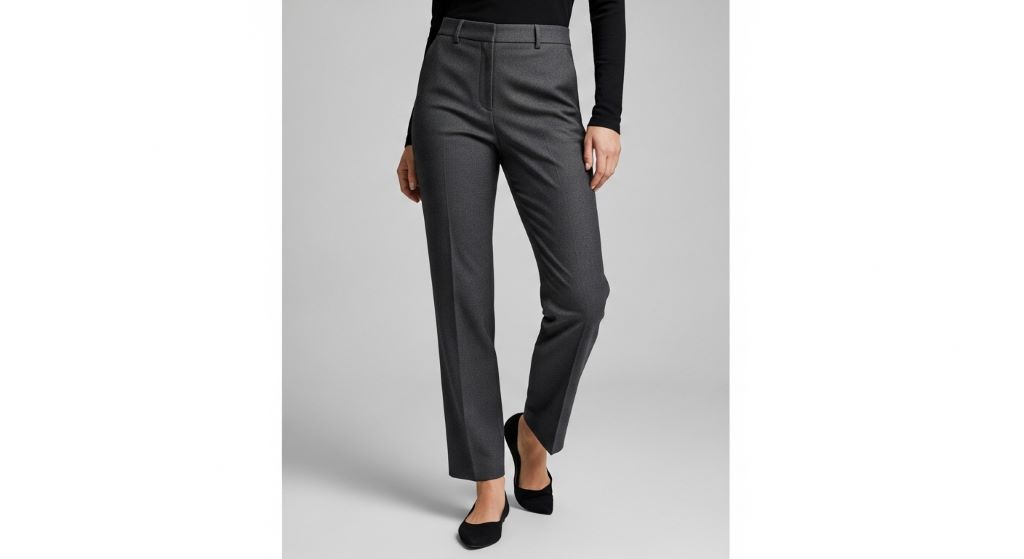
27 Apr How to Pick Well-Fitted Jeans or Trousers That Enhance Your Silhouette
Finding the right pair of jeans or trousers can feel overwhelming. The options are endless. However, the process becomes much simpler when you know what to look for. A well-fitted pair of bottoms does more than just cover your legs. It frames your body, boosts your confidence, and pulls your entire outfit together. This guide walks you through everything you need to know to make the right choice every time.
Why Fit Matters More Than Size
Most people focus on size numbers when shopping for jeans or trousers. This is a common mistake. Clothing sizes vary widely across brands and countries. Therefore, the number on the label means very little. What truly matters is how the garment fits your unique body.
A well-fitted pair of trousers will sit comfortably at the waist without a belt holding them up. They will not pull across the hips or sag at the seat. The legs will follow the natural line of your body without being too tight or too loose. Once you experience this kind of fit, you will never go back to guessing by size alone.
Additionally, good fit enhances your silhouette. It creates clean lines and draws attention to your best features. Poor fit, on the other hand, can make even the most expensive pair of jeans look unflattering.
Know Your Body Shape First
Before you start shopping, take a moment to understand your body shape. This step saves time and reduces frustration. There are a few common body shapes, and certain styles of jeans or trousers work better for each one.
If you have a pear-shaped body, your hips are wider than your shoulders. In this case, look for styles that add volume to your upper half and skim the hips. Straight-leg or bootcut trousers tend to work well. They balance the proportions between your upper and lower body.
If you have an apple-shaped body, your midsection is the widest part. Therefore, high-waisted trousers with a relaxed fit through the hips can be very flattering. They help define the waist and create a more balanced look.
For a rectangular body shape, where your shoulders, waist, and hips are roughly the same width, slim-fit or tapered trousers add structure. They create the illusion of curves and definition.
If you have an hourglass figure, your waist is noticeably narrower than your hips and bust. High-waisted jeans or trousers that follow your curves work beautifully. Avoid boxy or oversized styles, as they hide your natural shape.
The Key Measurements You Need
Shopping without knowing your measurements is like driving without a map. However, taking your measurements at home is quick and easy. You only need a soft measuring tape.
Measure your waist at its narrowest point, usually just above your belly button. Next, measure your hips at their widest point. Finally, measure your inseam, which is the distance from your crotch to the floor. These three numbers will guide you toward the right size in any brand.
Write these measurements down and keep them on your phone. They come in handy whether you are shopping in a store or online.
How the Waistband Should Fit
The waistband is the first thing to check when you try on a pair of jeans or trousers. It should sit firmly at your natural waist without digging in or creating a muffin top. You should be able to slip two fingers inside the waistband comfortably. Any more room than that means the waist is too large.
If the waistband fits but gaps at the back, this is a very common issue. It often happens when your waist is narrower in proportion to your hips. A tailor can easily fix this by taking in the back of the waistband. This small alteration makes a big difference.
Additionally, pay attention to where the waistband sits on your body. Low-rise styles sit below the natural waist. High-rise styles sit at or above the natural waist. Mid-rise falls somewhere in between. High-rise and mid-rise styles tend to be the most flattering for most body types because they anchor the garment properly and define the waist.
Getting the Hip and Thigh Fit Right
After the waistband, the hip and thigh area is the most important part of the fit. This is where most people struggle the most. The fabric should skim over the hips and thighs without pulling or bunching.
If you see horizontal creases or “smile lines” stretching across the front of the thighs, the trousers are too tight in that area. This not only looks uncomfortable but also wears out the fabric faster. On the other hand, excess fabric that bunches around the inner thigh means the fit is too loose.
The seat of the trousers should cup your body gently. It should not sag, which makes the garment look shapeless. It should also not be so tight that the fabric pulls. Finding this balance is key to a truly flattering fit.
The Rise: A Detail That Changes Everything
The rise refers to the distance between the crotch seam and the top of the waistband. It is one of the most overlooked aspects of trouser fit. However, it has a huge impact on how the garment looks and feels.
A low rise can create a long torso appearance. It sometimes exposes the lower back when you sit or bend. For everyday comfort and a polished look, a mid-rise or high-rise is usually the better choice.
A high rise elongates the legs visually. It also keeps the trousers in place as you move throughout the day. Therefore, if you want trousers that look neat from morning to evening without constant adjustments, a higher rise is worth considering.
Leg Width and Length: Finding Your Perfect Proportion
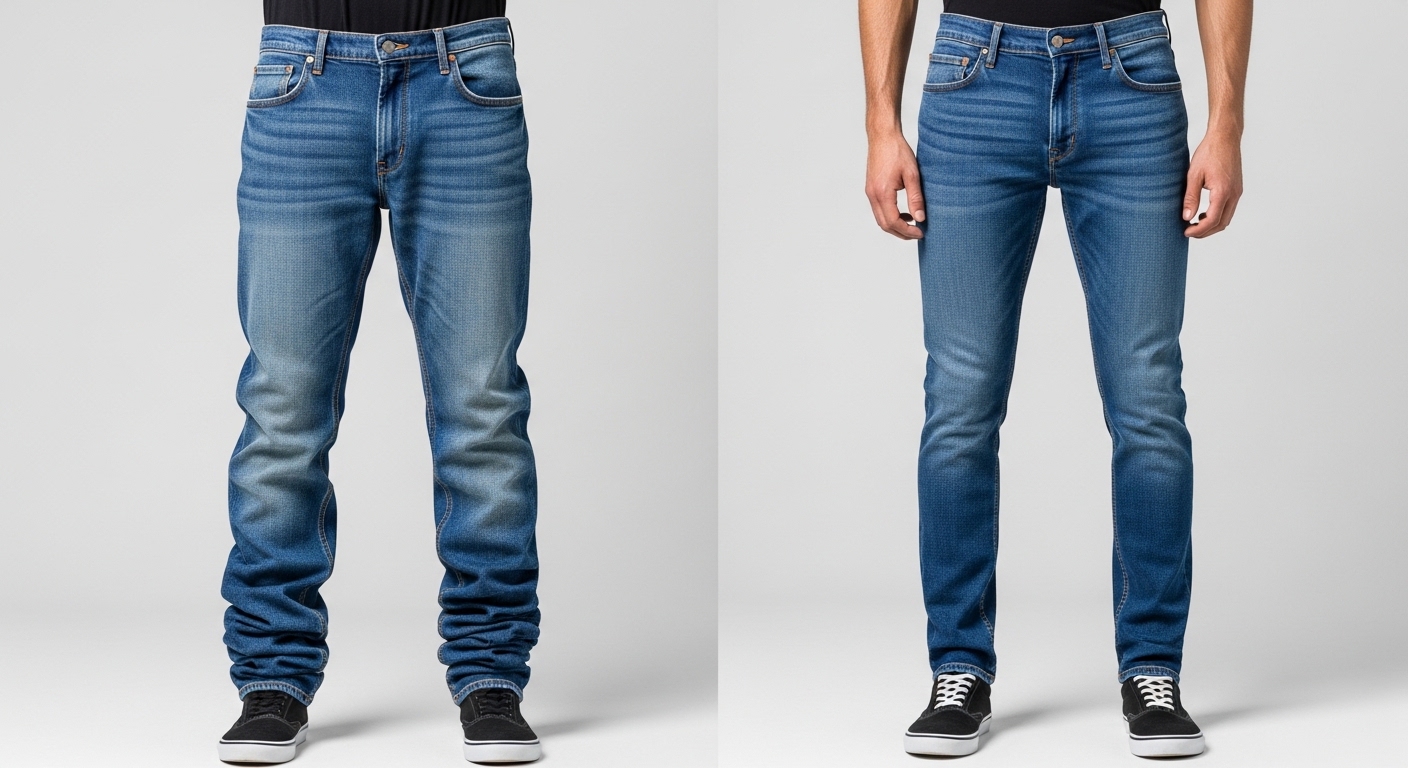
The width and length of the leg can completely transform the look of a pair of jeans or trousers. Therefore, understanding which styles suit your height and body type is essential.
Slim-fit trousers taper toward the ankle. They create a streamlined, modern look. They work well on slender and athletic frames. However, they can feel restrictive if the thighs are fuller.
Straight-leg trousers have a consistent width from hip to ankle. They are universally flattering and easy to style. This is a great starting point if you are unsure which cut suits you.
Bootcut and flared trousers widen slightly below the knee. They balance out wider hips and create a long, fluid line. Additionally, they look excellent with heeled boots or shoes.
Wide-leg trousers have become very popular in recent years. They create a relaxed, elegant silhouette. For shorter frames, wide-leg styles can feel overwhelming unless they are paired with a heel or cropped at the right length.
As for length, the hem should reach the top of your shoe or just graze the floor, depending on the style. Cropped trousers that hit at the ankle or calf are fashionable and work well in warmer climates.
Fabric and Stretch: Comfort Meets Structure
The fabric of your jeans or trousers affects both comfort and appearance. Rigid denim or woven fabrics hold their shape well. They create crisp, structured lines. However, they offer little flexibility.
Many modern jeans contain a small percentage of elastane or spandex, usually between one and three percent. This addition makes the fabric move with your body. It prevents that uncomfortable stiffness and keeps the trousers looking smooth even after hours of wear.
For trousers, fabrics like wool, cotton twill, and linen are popular choices. Wool drapes beautifully and holds a crease. Cotton twill is durable and easy to care for. Linen is breathable and ideal for warm weather, though it wrinkles easily.
Choose fabrics that suit your lifestyle. If you are active and on your feet all day, a stretch fabric is practical. If you are dressing for formal occasions, a structured fabric creates a more polished impression.
The Role of Color and Pattern in Silhouette
Color and pattern play a subtle but important role in how your silhouette appears. Darker colors are slimming because they absorb light. A pair of dark navy or charcoal trousers can create a sleeker line than a pale or brightly colored pair.
Vertical stripes elongate the legs. They draw the eye up and down, making you appear taller and leaner. Horizontal stripes have the opposite effect. They add visual width.
Additionally, a single color worn from waist to hem creates a long, unbroken line. This is one of the simplest tricks for looking taller and more streamlined.
When to Visit a Tailor
Even the most perfectly proportioned pair of jeans or trousers may need a small adjustment. This is completely normal. Off-the-rack clothing is made to fit an average body, and no two bodies are exactly the same.
A skilled tailor can shorten or lengthen hems, take in or let out the waist, slim down the legs, and adjust the rise. These alterations are usually affordable and make a remarkable difference. Therefore, do not give up on a pair of trousers simply because they are not perfect straight off the rack.
Investing in tailoring means your clothes look as though they were made specifically for you. This level of fit is noticeable and always impressive.
Conclusion
Picking well-fitted jeans or trousers does not have to be difficult. Start by knowing your measurements and understanding your body shape. Pay close attention to the waistband, hips, thighs, and rise. Choose a leg width and length that flatters your proportions. Consider the fabric and how it moves with your body. Additionally, use color and pattern to your advantage. Finally, do not hesitate to visit a tailor for small adjustments that make a big difference. When your trousers fit well, everything else falls into place. Your silhouette looks its best, and you carry yourself with confidence.
Frequently Asked Questions
How do I know if my jeans fit correctly in the waist?
You should be able to fit two fingers inside the waistband comfortably. If the waistband digs in or leaves marks, the jeans are too tight. If you can fit more than two fingers or the waistband gaps, they are too loose.
What is the most flattering rise for most body types?
Mid-rise and high-rise trousers are generally the most flattering for most body types. They sit at or above the natural waist, which helps define the silhouette and keeps the garment in place throughout the day.
Can I wear wide-leg trousers if I am petite?
Yes, you can. The key is to choose a pair with a higher rise and pair them with a heel or a slightly elevated shoe. Avoid very long lengths, as they can overwhelm a shorter frame. A cropped wide-leg style works particularly well.
How much does it cost to have jeans tailored?
The cost varies depending on the alteration and your location. Hemming a pair of jeans typically costs between ten and thirty dollars. More complex alterations, like adjusting the waist or slimming the legs, may cost more. However, the investment is usually well worth it.
What fabric is best for everyday trousers?
Cotton twill is an excellent choice for everyday trousers. It is durable, breathable, and easy to maintain. A small percentage of stretch added to the fabric improves comfort. Wool is ideal for smarter, more formal occasions.
Related Topics:
How to Style Maxi Dress Dark for Daytime Elegance
How to Mend a Seam by Hand: A Step-by-Step Guide for Beginners
No Comments