
28 Mar The Allure of Colored Gemstones: Adding a Pop of Color to Fine Jewelry
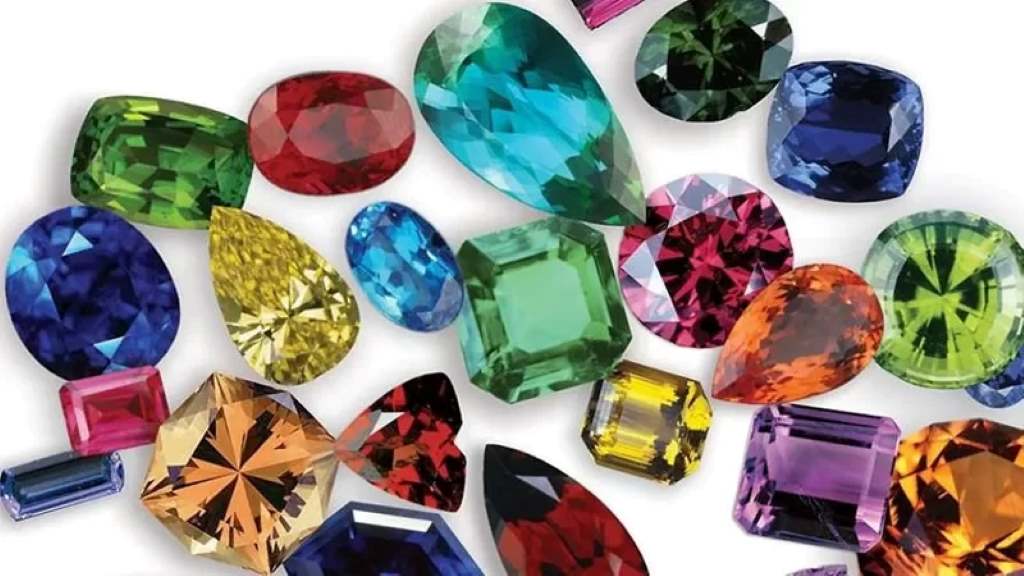
In a world where diamonds have long reigned supreme, a vibrant revolution is underway. Colored gemstones, with their kaleidoscope of hues and captivating stories, are increasingly captivating the hearts of jewelry enthusiasts. From the fiery red of a ruby to the serene blue of a sapphire, these gems offer a unique and personal way to express individuality and style. This article delves into the enchanting world of colored gemstones, exploring their allure, the factors influencing their value, and how they are transforming the landscape of fine jewelry.
Beyond the Sparkle: A Symphony of Color
While diamonds dazzle with their brilliance, colored gemstones seduce with their depth and richness. Each gemstone possesses its own unique character, derived from its chemical composition and geological origins. Emeralds, for instance, owe their verdant hue to traces of chromium and vanadium, while the intense blue of a tanzanite is a result of its rare formation in the foothills of Mount Kilimanjaro. This inherent diversity allows for a breathtaking array of choices, enabling individuals to select stones that resonate with their personal preferences and aesthetic sensibilities.
The resurgence of colored gemstones can be attributed to a growing appreciation for individuality and self-expression. In a world saturated with mass-produced items, these gems offer a tangible connection to the earth’s natural wonders and a way to stand out from the crowd. Whether it’s a vibrant amethyst pendant, a striking topaz ring, or a playful multi-colored sapphire bracelet, colored gemstones allow for a personalized touch that transcends fleeting trends.

The Spectrum of Splendor: Popular Colored Gemstones and Their Characteristics
The world of colored gemstones is a treasure trove of possibilities, each stone boasting its own unique allure. Here’s a glimpse into some of the most sought-after gems:
- Sapphire: Known for its classic blue hue, sapphires also come in a spectrum of colors, including pink, yellow, and orange (padparadscha). Their durability and brilliance make them a popular choice for engagement rings and other fine jewelry.
- Ruby: The “king of gemstones,” rubies are prized for their intense red color, symbolizing passion and love. Their rarity and hardness contribute to their high value.
- Emerald: With its lush green hue, emeralds evoke feelings of tranquility and renewal. Their delicate nature requires careful handling, but their captivating beauty makes them a timeless classic.
- Tanzanite: Found only in Tanzania, tanzanite’s mesmerizing blue-violet color shifts depending on the lighting. Its rarity and unique pleochroism make it a highly coveted gemstone.
- Topaz: Available in a range of colors, including blue, yellow, and pink, topaz is known for its affordability and versatility. Blue topaz, in particular, has become a popular alternative to sapphire.
- Amethyst: With its regal purple hue, amethyst has been associated with royalty and spirituality for centuries. Its affordability and availability make it a popular choice for a variety of jewelry styles.
- Garnet: Traditionally associated with deep red, garnets are also found in a variety of other colors, including green, orange, and yellow. They are known for their brilliance and durability.
Factors Influencing Value: A Gem’s Worth
The value of a colored gemstone is determined by a confluence of factors, including:
- Color: The intensity, saturation, and hue of a gemstone’s color are paramount. The most valuable stones exhibit vibrant, saturated colors with minimal inclusions.
- Clarity: Clarity refers to the absence of inclusions or blemishes within the gemstone. The fewer the inclusions, the higher the clarity and value.
- Cut: A well-executed cut enhances a gemstone’s brilliance and fire. The cut should be symmetrical and maximize the stone’s natural beauty.
- Carat Weight: Carat weight measures a gemstone’s size. Larger, high-quality gemstones are generally more valuable.
- Origin: The geographic origin of a gemstone can significantly impact its value. For example, Kashmir sapphires and Colombian emeralds are highly prized for their exceptional quality.
- Treatment: Many colored gemstones undergo treatments to enhance their color or clarity. Natural, untreated gemstones are typically more valuable.
Colored Gemstones in Fine Jewelry: A Modern Renaissance
The incorporation of colored gemstones into fine jewelry has ushered in a new era of creativity and innovation. Designers are embracing the versatility of these gems, crafting pieces that range from classic and elegant to bold and contemporary.
- Engagement Rings: More couples are choosing colored gemstones as center stones for engagement rings, creating a unique alternative to traditional diamonds. Sapphire, ruby, and morganite remain popular for their beauty and durability.
- Statement Pieces: Statement necklaces, earrings, and bracelets often feature large, vibrantly colored gemstones that create eye-catching focal points.
- Heirloom Jewelry: Heirloom pieces often feature colored gemstones, carrying sentimental value and timeless beauty as they are passed down through generations.
- Custom Designs: The versatility of colored gemstones allows for endless possibilities in custom jewelry design. Individuals can work with jewelers to create unique pieces that reflect their personal style and preferences.
- Mixing and Matching: Current trends see designers playing with a variety of colored gemstones within a single piece, creating a colorful and exciting look.
Sustainability and Ethical Sourcing: A Growing Concern
As the demand for colored gemstones increases, so does the importance of ethical sourcing and sustainability. Consumers are increasingly seeking out responsibly mined and traded gemstones, becoming more conscious of their purchases’ environmental and social impact.
- Fair Trade Practices: Fair trade initiatives ensure that gemstone miners receive fair wages and work in safe conditions.
- Environmental Responsibility: Sustainable mining practices minimize environmental damage and promote responsible land management.
- Traceability: Traceability programs help consumers track the origin of their gemstones, ensuring ethical sourcing.
People Also Ask (FAQs)
Q: Are colored gemstones as durable as diamonds?
A: The durability of a colored gemstone varies depending on its hardness. Diamonds are the hardest natural substance, scoring a 10 on the Mohs scale of hardness. Sapphires and rubies score a 9, making them highly durable. Emeralds, on the other hand, are more delicate, scoring a 7.5-8.
Q: How do I care for my colored gemstone jewelry?
A: It’s essential to clean colored gemstone jewelry regularly with a soft cloth and mild soap. Avoid harsh chemicals and ultrasonic cleaners, as they can damage some gemstones. Store your jewelry separately to prevent scratches.
Q: Can colored gemstones be used in everyday jewelry?
A: Yes, many colored gemstones are suitable for everyday wear. Sapphires, rubies, and garnets are particularly durable and can withstand daily wear and tear.
Q: How do I determine the value of a colored gemstone?
A: The value of a colored gemstone is determined by factors such as color, clarity, cut, carat weight, origin, and treatment. It’s best to consult with a certified gemologist for an accurate appraisal.
Q: What are the current trends in colored gemstone jewelry?
A: Current trends include using colored gemstones in engagement rings, creating statement pieces with large, vibrant stones, and mixing and matching different colored gemstones within a single piece.
Conclusion
Colored gemstones offer a captivating alternative to traditional diamonds, adding a touch of personality and vibrancy to fine jewelry. Their unique beauty, diverse range of colors, and rich history make them a timeless investment in both style and value. As the world embraces individuality and self-expression, colored gemstones will continue to reign as the jewels of choice for those who want to add a pop of color to their lives.
By understanding their characteristics, value factors, and ethical considerations, individuals can make informed choices and acquire gemstones they will cherish for generations. The allure of colored gemstones, with their inherent beauty and captivating stories, is a testament to the earth’s natural wonders and the enduring power of color to inspire and delight.
No Comments