

25 Feb How to Pick Alternative Engagement Ring Stones That Shine in 2026
The landscape of engagement rings has transformed dramatically over recent years. More couples are moving away from traditional choices and exploring options that reflect their personal values, style preferences, and budget considerations. Choosing a stone that represents your unique love story has become more important than following conventional expectations.
Non-diamond engagement rings have surged in popularity as couples discover the stunning beauty of alternative gemstones. These choices offer vibrant colors, meaningful symbolism, and often a more accessible price point. Additionally, they allow you to create a truly distinctive ring that stands out from the crowd.
This comprehensive guide will walk you through everything you need to know about selecting alternative stones for your engagement ring. You’ll discover which unique proposal stones are trending in 2026, learn about durability considerations, and understand how to choose a gem that perfectly captures your relationship’s essence.
Understanding the Appeal of Alternative Stones
The shift toward alternative engagement stones reflects broader changes in how couples approach marriage and symbolism. Many people want their rings to tell a story that feels authentic to them rather than following a marketing-driven tradition.
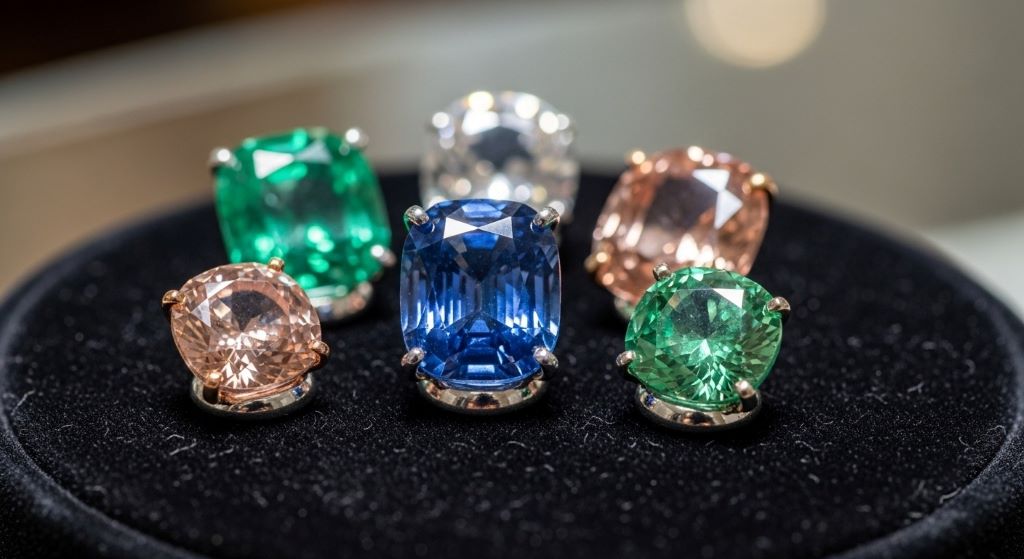
Alternative stones offer incredible variety in color, which diamonds simply cannot match. From deep blue sapphires to vibrant green emeralds, these gems bring personality and visual interest to engagement rings. This diversity allows you to choose a color that holds personal meaning or simply appeals to your aesthetic preferences.
Cost considerations also play a significant role in this trend. Many gemstones provide exceptional beauty at a fraction of the price of comparable diamonds. This financial flexibility lets couples invest more in the setting, purchase a larger stone, or simply save money for other life goals.
Furthermore, ethical concerns have motivated many couples to explore alternatives. While responsible diamond sourcing exists, some people prefer gemstones with more transparent supply chains or lab-created options that eliminate mining concerns entirely.
Sapphires: The Classic Alternative Choice
Sapphires have long been the most popular diamond alternative for engagement rings. Their exceptional hardness makes them ideal for everyday wear, while their rich colors create stunning visual appeal.
Blue sapphires are the most traditional choice, ranging from pale cornflower blue to deep navy tones. Each shade carries its own character and pairs beautifully with different metal colors. Lighter blues create a soft, romantic look, while darker tones project sophistication and depth.
However, sapphires come in nearly every color imaginable. Pink sapphires have gained tremendous popularity, offering feminine beauty with excellent durability. Yellow sapphires bring warmth and sunshine to engagement rings. Peach and padparadscha sapphires, with their unique orange-pink hues, represent some of the most sought-after and rare color variations.
White sapphires provide the look of a diamond at a significantly lower cost. While they don’t have quite the same brilliance as diamonds, they offer a beautiful, clear alternative that works perfectly in traditional settings. Many couples appreciate their understated elegance.
The durability of sapphires cannot be overstated. Ranking 9 on the Mohs hardness scale, they’re second only to diamonds in scratch resistance. This makes them practical for rings that will be worn daily for decades.
Moissanite: The Brilliant Alternative
Moissanite has exploded in popularity over the past few years and continues to be a top choice in 2026. This lab-created gemstone offers incredible fire and brilliance that actually exceeds diamonds in certain lighting conditions.
Originally discovered in a meteor crater, natural moissanite is extremely rare. All moissanite used in jewelry today is created in laboratories, which ensures consistent quality and ethical production. This origin story adds a romantic, cosmic element to its appeal.
The optical properties of moissanite make it truly special. It has more fire than diamonds, meaning it displays more rainbow colors when light passes through it. Some people love this extra sparkle, while others prefer the more subtle brilliance of diamonds. It’s purely a matter of personal taste.
Moissanite is nearly as hard as diamond, rating 9.25 on the Mohs scale. This exceptional durability means it will maintain its beauty throughout a lifetime of wear. It’s resistant to scratching, chipping, and clouding, making it extremely low-maintenance.
Cost-effectiveness represents another major advantage. Moissanite typically costs a fraction of what you’d pay for a diamond of similar size and quality. This allows couples to afford larger stones or more elaborate settings without stretching their budget.
Emeralds: Bold and Beautiful
Emeralds bring an unmistakable boldness to engagement rings. Their rich green color symbolizes growth, renewal, and prosperity, making them meaningful choices for couples beginning their lives together.
The color of emeralds ranges from yellowish-green to deep bluish-green. The most prized emeralds display a vivid, saturated green with excellent transparency. However, emeralds naturally contain inclusions called jardin, which means garden in French. These inclusions are considered part of the stone’s character rather than flaws.
Colombian emeralds are often considered the finest, known for their pure green color with slight bluish undertones. Zambian emeralds tend toward deeper colors with subtle blue tones. Brazilian emeralds often show lighter, more yellowish-green hues. Each origin produces distinct characteristics that appeal to different tastes.
However, emeralds require more careful handling than sapphires or moissanite. They rank 7.5 to 8 on the Mohs scale and have natural inclusions that can make them prone to chipping or cracking if struck hard. Therefore, protective settings like bezels or halo designs are recommended.
Regular maintenance helps emeralds maintain their beauty. They can be treated with oils to enhance clarity and protect them from damage. Many jewelers offer cleaning and re-oiling services to keep emerald engagement rings looking their best.
Morganite: Soft Romance
Morganite has become increasingly popular for its soft, peachy-pink color that radiates warmth and femininity. This beryl family member offers a gentle alternative to more intense colored stones.
The color range of morganite spans from pale pink to deeper peachy tones. Many people prefer the softer shades, which create an ethereal, romantic appearance. The stone pairs beautifully with rose gold, though it also looks stunning in white or yellow gold settings.
Morganite is relatively durable, ranking 7.5 to 8 on the Mohs scale. While not as hard as sapphires, it’s suitable for engagement rings with proper care and setting design. Protective settings help guard against potential chips or scratches.
This stone typically offers excellent clarity and transparency. Most morganite is free from visible inclusions, giving it a clean, glass-like appearance. This clarity allows light to pass through beautifully, creating a lovely glow.
Additionally, morganite is quite affordable compared to many other gemstone options. You can often find large, high-quality stones at reasonable prices, allowing for impressive rings that don’t break the bank.
Lab-Grown Diamonds: Modern Technology Meets Tradition
For couples who love the look of diamonds but have concerns about mining or cost, lab-grown diamonds offer a compelling solution. These are real diamonds with identical physical and chemical properties to mined stones.
Lab-grown diamonds are created using advanced technology that replicates the natural diamond formation process. The two main methods are High Pressure High Temperature and Chemical Vapor Deposition. Both produce genuine diamonds that are indistinguishable from mined diamonds without specialized equipment.
The environmental impact of lab-grown diamonds is significantly lower than traditional mining. They require no excavation, displace no communities, and have a much smaller carbon footprint. For environmentally conscious couples, this represents a major advantage.
Cost savings are substantial. Lab-grown diamonds typically cost 30 to 50 percent less than equivalent mined diamonds. This price difference allows couples to afford larger or higher-quality stones while staying within budget.
These diamonds come with the same grading and certification as mined diamonds. Reputable gemological laboratories assess and grade lab-grown diamonds using identical standards, ensuring you know exactly what you’re purchasing.
Aquamarine: Cool Elegance
Aquamarine captures the serene beauty of tropical waters in its pale blue to greenish-blue hues. This gemstone brings a refreshing coolness to engagement rings and symbolizes tranquility, clarity, and harmony.
The name aquamarine comes from Latin words meaning sea water, perfectly describing its characteristic color. The most valued aquamarines display a rich, pure blue without green overtones. However, the lighter, more subtle shades have their own gentle charm.
This beryl family member shares the same chemical composition as emerald but with different trace elements creating its blue color. Aquamarine typically has better clarity than emerald, often appearing perfectly transparent with minimal inclusions.
With a hardness of 7.5 to 8 on the Mohs scale, aquamarine is reasonably durable for daily wear. It’s less prone to chipping than emerald due to fewer inclusions. Nevertheless, protective settings help ensure longevity.
Aquamarine pairs exceptionally well with white metals like platinum or white gold, which enhance its cool tones. However, it also creates interesting contrast when set in yellow or rose gold for those seeking a warmer appearance.
Considerations Beyond Beauty
While aesthetics are important, several practical factors should influence your choice of alternative engagement stone. Understanding these considerations helps ensure your ring remains beautiful and functional for decades.
Durability ranks as the most critical factor. Engagement rings are worn daily and exposed to various activities. Stones ranking 7 or higher on the Mohs scale generally withstand everyday wear well. Softer stones require more careful handling and protective settings.
Lifestyle compatibility matters significantly. If you work with your hands, engage in sports, or frequently perform manual tasks, choose harder stones like sapphire or moissanite. Those with gentler lifestyles can more safely wear softer options like morganite or aquamarine.
Maintenance requirements vary by stone type. Some gemstones need regular professional cleaning or treatment to maintain their appearance. Others are remarkably low-maintenance. Consider whether you’re willing to commit to any special care routines.
Setting design can protect softer stones. Bezel settings surround the stone completely, offering maximum protection. Halo settings add a buffer of smaller stones around the center gem. Prong settings expose more of the stone but allow more light entry.
Color Psychology and Personal Meaning
The color of your engagement stone can carry deep personal significance beyond mere aesthetics. Understanding color psychology and symbolism helps you choose a gem that truly resonates.
Blue stones like sapphire and aquamarine represent loyalty, trust, and tranquility. These qualities make them meaningful symbols for marriage. Blue has calming properties and conveys depth and stability in relationships.
Pink and peach stones such as morganite symbolize love, compassion, and nurturing. These warm colors create emotional connections and represent the tender aspects of romantic relationships. They’re particularly popular among those who appreciate feminine aesthetics.
Green emeralds signify growth, renewal, and prosperity. Green connects to nature and represents the flourishing of new life together. It’s associated with balance, harmony, and fresh beginnings.
Clear stones like moissanite or lab-grown diamonds represent purity, clarity, and commitment. Their transparency symbolizes honest communication and the clear vision couples have for their future together.
Consider which colors speak to you personally. Perhaps a color reminds you of a meaningful moment in your relationship. Maybe it reflects your partner’s eye color or favorite shade. Personal connections make your choice even more special.
Mixing Metals and Design Trends for 2026
The metal you choose for your setting dramatically affects the overall appearance of your ring. Current trends in 2026 favor mixing metals and creating unique, personalized designs.
Rose gold continues its popularity, especially paired with peachy or pink stones like morganite. The warm metal enhances these colors beautifully and offers a romantic, vintage-inspired aesthetic. Rose gold also provides a distinctive look that stands out from traditional choices.
Yellow gold has made a strong comeback after years of white metal dominance. It pairs wonderfully with warm-colored stones and creates a bold, confident statement. Modern yellow gold rings often feature cleaner, more contemporary designs than vintage styles.
White gold and platinum remain classic choices that work with virtually any stone color. These metals create a sleek, modern appearance and don’t compete with the stone for attention. They’re particularly effective with cool-toned gems.
Mixed metal designs allow you to incorporate multiple colors in one ring. A rose gold band with white gold prongs, for example, combines the best of both worlds. This approach adds visual interest and versatility.
Unique settings have become increasingly popular. Geometric designs, east-west orientations, asymmetrical arrangements, and nature-inspired elements help create truly one-of-a-kind rings. These contemporary designs complement alternative stones beautifully.
Shopping Smart for Alternative Stones
Purchasing an alternative engagement stone requires knowledge and careful consideration. Understanding how to evaluate quality and find reputable sources ensures you get the best value.
Always request certification from recognized gemological laboratories. Certificates verify the stone’s authenticity, treatment history, and quality characteristics. This documentation provides peace of mind and helps with insurance.
Compare prices from multiple sources before committing. Gemstone prices can vary significantly between retailers. However, be cautious of deals that seem too good to be true, as they often indicate quality issues or synthetic stones being misrepresented as natural.
Understand treatments and enhancements. Many gemstones undergo treatments to improve color or clarity. These treatments are standard in the industry but should be disclosed. Heat treatment is generally permanent and stable, while some other treatments require more care.
Work with jewelers who specialize in custom design if you want something unique. These professionals can help you create a ring that perfectly suits your vision and properly showcases your chosen stone.
Consider purchasing insurance for your ring. Alternative stones may have different replacement values than diamonds, so ensure your policy accurately reflects your ring’s worth. Keep all documentation and photographs for insurance purposes.
Caring for Your Alternative Stone
Proper care ensures your engagement ring maintains its beauty throughout your marriage. Different stones require different maintenance approaches.
Regular cleaning at home keeps most stones sparkling. Warm water with mild soap and a soft brush works well for sapphires, moissanite, and most durable stones. Rinse thoroughly and dry with a soft cloth.
Professional cleaning once or twice yearly helps maintain optimal appearance. Jewelers can check for loose settings, clean areas you can’t reach, and assess the ring’s overall condition. They can also re-polish metals and tighten prongs as needed.
Remove your ring during activities that could damage it. Heavy lifting, gardening, cleaning with harsh chemicals, and contact sports all pose risks. Even durable stones can chip or scratch if struck hard enough.
Store your ring safely when not wearing it. A soft pouch or separate compartment in a jewelry box prevents scratching from contact with other jewelry. Never toss your ring loosely into a drawer or bag.
Be aware of each stone’s specific vulnerabilities. Emeralds should avoid ultrasonic cleaners. Pearls and opals require extra gentle care. Moissanite can withstand nearly any cleaning method. Research your specific stone’s care requirements.
Conclusion
Choosing alternative engagement ring stones opens up a world of possibilities for creating meaningful, beautiful jewelry that reflects your unique relationship. From the classic elegance of sapphires to the modern brilliance of moissanite, non-diamond engagement rings offer stunning options for every style and budget.
Understanding durability, color significance, and care requirements helps you select a stone that will remain beautiful throughout decades of daily wear. Unique proposal stones like emeralds, morganite, and aquamarine provide distinctive alternatives that express personality and values in ways traditional diamonds cannot.
The key to making the right choice lies in balancing aesthetics with practical considerations. Consider your lifestyle, budget, and personal preferences alongside the symbolic meaning you want your ring to convey. Whether you’re drawn to vibrant colors, ethical considerations, or simply want something different, alternative stones provide endless opportunities.
Working with knowledgeable jewelers, requesting proper certification, and understanding quality factors ensures you invest wisely in a ring you’ll cherish forever. Remember that the most important aspect of any engagement ring is what it represents: your commitment and love for your partner.
Frequently Asked Questions
Are alternative engagement stones less durable than diamonds?
Some alternative stones are nearly as durable as diamonds, while others require more careful handling. Sapphires and moissanite rank very high on the Mohs hardness scale and withstand daily wear excellently. Emeralds and morganite are slightly softer but still suitable for engagement rings with proper settings and care. The key is choosing a stone that matches your lifestyle and protecting it with appropriate setting designs.
How much should I expect to spend on an alternative engagement ring?
Alternative engagement rings can range from a few hundred to several thousand dollars depending on the stone type, size, quality, and setting complexity. Moissanite and sapphires often cost 30 to 70 percent less than comparable diamonds. Rare colored gemstones like padparadscha sapphires can be quite expensive. Generally, alternative stones offer better value, allowing you to get more size or quality for your budget.
Will colored gemstones fade or change color over time?
High-quality gemstones properly cared for will not fade or change color significantly. Sapphires, emeralds, and most crystalline gemstones are remarkably color-stable. However, some stones like amethyst can fade with prolonged sun exposure. Moissanite maintains its optical properties indefinitely. Always ask about any treatments your stone has received, as some treatments are more stable than others.
Can I insure an engagement ring with an alternative stone?
Yes, alternative stone engagement rings can and should be insured just like diamond rings. You’ll need a professional appraisal documenting the stone type, quality, and value. Some insurance companies offer specific jewelry insurance, while others include it under homeowners or renters policies. Keep all certificates, receipts, and photographs for insurance purposes.
How do I know if an alternative stone is right for my partner?
Consider your partner’s style preferences, lifestyle, and values. Do they gravitate toward traditional or contemporary aesthetics? Are they active or gentle with their belongings? Have they mentioned interest in colored stones or ethical considerations? Pay attention to their current jewelry choices for clues. If unsure, involve them in the selection process or choose a classic alternative like sapphire that offers both beauty and durability.
Related Topics:
5 Simple Tests to Check if Sunglasses are Real
A Christmas Gift Guide for a Woman with a Shopping Addiction
No Comments