
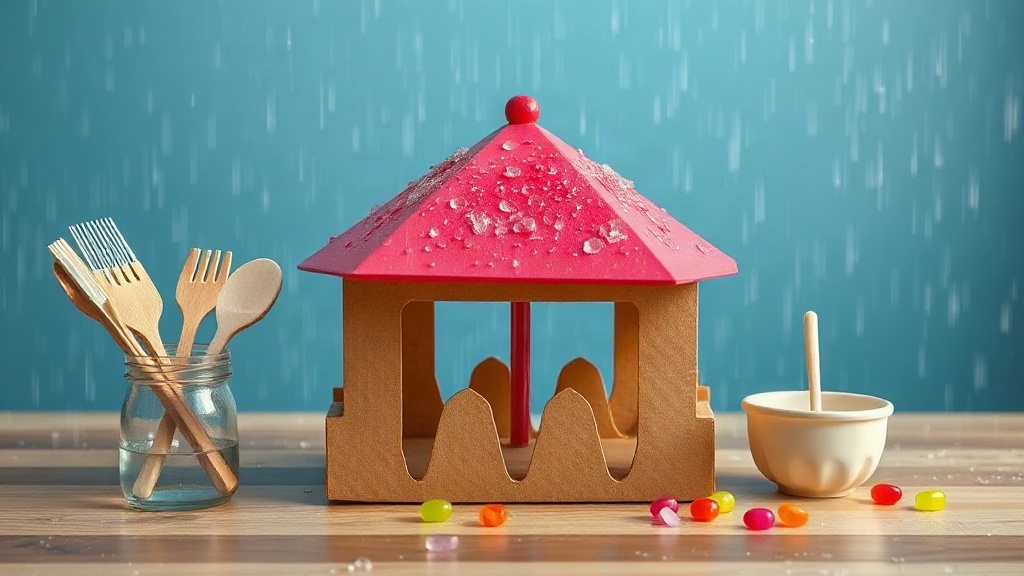
09 Nov Rainy Day Crafts for Teens and Tweens
A steady drizzle cancels the plan, and suddenly the house holds two bored adolescents with hours to fill. Good rainy day crafts for teens solve that problem without screens, costs, or a trip to a craft store. The goal is a project that feels mature enough for a fifteen-year-old and simple enough to finish before dinner. If you are unsure where to begin, visit this site for broad lifestyle ideas that pair well with an afternoon indoors. This guide covers what to make, how to set up, and which mistakes waste supplies.
Quick answer: Pick one project with a clear finish line, such as friendship bracelets, a painted canvas, or no-bake clay figures, and set out only the materials for that project. Keep the setup small, give each person their own workspace, and let the finished piece be the reward. Most projects run 45 to 90 minutes, which fits a single rainy afternoon.
What is rainy day crafts for teens?
The phrase describes hands-on projects chosen for older kids, roughly ages 11 to 17, when outdoor plans fall through. The defining feature is fit: the craft must match a teenager’s attention span, skill level, and taste. A preschool paper-plate project will get an eye roll, while a project with a real result earns genuine interest.
These projects usually share four traits:
- A visible end product the teen can keep, wear, or give away
- Materials already on hand or easy to buy in one trip
- Room for personal style, so no two results look identical
- A finish line within an afternoon, or at most two sessions
Cost matters too. Most household crafts cost under $15 per person if you use what is already in a drawer. Basic supplies cover a surprising amount: paper, markers, glue, tape, string, fabric scraps, and cardboard.
The age range is wider than it sounds. Tweens often enjoy structured kits and clear instructions. Teens lean toward open-ended work where they control the design. A single project can serve both if you offer a template and then invite changes.
The appeal is not that crafts are educational. It is that hands-on work occupies attention in a way passive entertainment does not, which makes a rainy afternoon feel used rather than lost.
The key takeaway: choose a project that respects the teen’s age, and the rest of the afternoon tends to organize itself.
Why rainy day crafts for teens matters

Boredom indoors usually collapses into passive screen time, and a few hours of that is fine. A full rainy weekend is another matter. Crafts offer a low-pressure way to spend that time on something with a result.
Making something builds quiet confidence. A teen who finishes a woven bracelet or a small shelf has proof of competence. That proof matters more than praise, because the object exists.
Shared projects create conversation. Working side by side lowers the pressure of face-to-face talk. Many parents find that the best chats happen while hands are busy and eyes are on the table.
Costs stay low. A set of embroidery floss, a pack of air-dry clay, or a bundle of felt costs less than a movie ticket for two. The materials often stretch across several afternoons.
Skills carry forward. Measuring, cutting, tying knots, and mixing colors show up in school projects, repairs, and future hobbies. A teen who learns to follow a pattern once can apply that patience elsewhere.
There is also a practical angle. Crafts give siblings of different ages a shared activity that does not require a screen or a referee. Set two workstations, hand out materials, and the room usually goes quiet in the productive sense.
Before buying anything, check drawers for string, glue, fabric scraps, and cardboard. A full project often hides in a junk drawer, and using it costs nothing.
What matters most is not the craft itself. It is the decision to make the rainy hours count for something a little more satisfying than scrolling.
Best practices
A good setup prevents most frustration. These habits make the difference between a smooth afternoon and a glue-covered table with nothing finished.
Set up individual workstations
Give each person their own space, even if it is just a tray on the floor. Separate supplies reduce arguments over shared scissors and keep projects from merging. A baking sheet with a lip works well as a portable craft tray.
Choose projects with a clear finish line
A project that can be completed in 45 to 90 minutes keeps momentum. If a teen wants a bigger build, split it into two labeled stages so the first session ends with something visible.
Match materials to the maker
Offer a beginner path and an advanced path for the same project. For bracelets, that means a simple stripe pattern first and a chevron second. For DIY string bracelets, a step-by-step pattern guide helps both levels start on solid ground.
Protect the work surface first
Lay down newspaper, a plastic sheet, or an old tablecloth before anyone opens a paint or glue bottle. Five minutes of prep saves an hour of cleanup later.
Comparison: project types by time and mess
| Project | Typical time | Mess level | Best for |
|---|---|---|---|
| Friendship bracelets | 45–60 min | Low | Tweens and teens |
| Air-dry clay figures | 60–90 min | Medium | Teens |
| Painted canvas | 60–90 min | High | Older teens |
| Felt phone pouch | 90 min | Low | Patient tweens |
Notice that the messiest projects also take the longest. On a short rainy afternoon, a low-mess project finishes comfortably.
Keep the mood light
Resist the urge to correct every choice. A crooked row of knots or an odd color mix is part of the learning. Praise effort and the finished object, and let the process stay relaxed.
Takeaway: a little planning before the first snip keeps the afternoon calm and productive.
Common mistakes to avoid
Most craft afternoons that go wrong share a few causes. Spotting them early keeps things on track.
Buying too many supplies. A crowded table overwhelms beginners. Start with one project and one set of materials, then expand later if interest holds.
Skipping the setup step. Starting without cover or containers leads to spills and lost pieces. Set out trays, cloths, and a trash bag before anyone begins.
Choosing projects that are too young. Tweens and teens notice when a craft is designed for a younger child. Offer designs with real choices, such as color palettes or patterns, so the work feels theirs.
Ignoring drying time. Clay and paint need hours to set. Plan an activity that continues while the project dries, or choose a no-dry project for short afternoons.
Expecting identical results. When two people follow the same steps, their pieces still differ. Treat variation as normal and skip comparisons.
Forgetting cleanup supplies. Paper towels, a damp cloth, and a trash bag belong on the table from the start. Cleanup goes faster when supplies are already nearby.
Making it a test. A craft is not a graded assignment. If a teen wants to abandon a project halfway and start fresh, allow it. The goal is a pleasant afternoon, not a perfect object.
Some air-dry clays and paints carry handling instructions and drying times that matter for small spaces. Read the label before the session and keep work away from food areas.
The takeaway is simple: fewer materials, more preparation, and lower expectations for perfection.
FAQ
How much should I budget for a rainy day craft session?
Plan on $10 to $20 per person for a project with new supplies. Many crafts cost far less if you use items already at home, such as cardboard, string, and fabric scraps. Buying in packs rather than single items usually lowers the per-person cost.
What is the best craft for a mixed group of tweens and teens?
Friendship bracelets work well because the same materials suit both ages. Tweens can follow a simple pattern, while teens design their own color combinations. Clay figures and painted canvases also scale easily to different skill levels.
How long should a craft session last?
Most teens stay engaged for 45 to 90 minutes on a single project. After that, interest drops and mistakes increase. Plan a natural stopping point and let people return to unfinished work another day.
Do these crafts require expensive tools?
No. Scissors, glue, tape, string, and paper cover most projects. Specialized tools are optional and rarely needed for an afternoon session. Start simple and add tools only if a specific project requires them.
What if a teen loses interest halfway through?
That is normal, and it is not a failure. Let the project pause and store the materials in a labeled bag. Some teens return to a project days later; others move on. Keep the tone relaxed and offer a simpler project next time.
Conclusion
A wet afternoon does not have to become a screen marathon. The best rainy day crafts for teens share three qualities: a clear finish line, materials that fit the maker’s age, and a setup that keeps mess contained. Start with one low-cost project such as friendship bracelets or air-dry clay, protect the table, and let each person work at their own pace. Choose a single project for the next rainy forecast, gather the supplies tonight, and leave them in a ready bag. A small plan turns a washed-out day into something a teen can hold in their hands.
No Comments